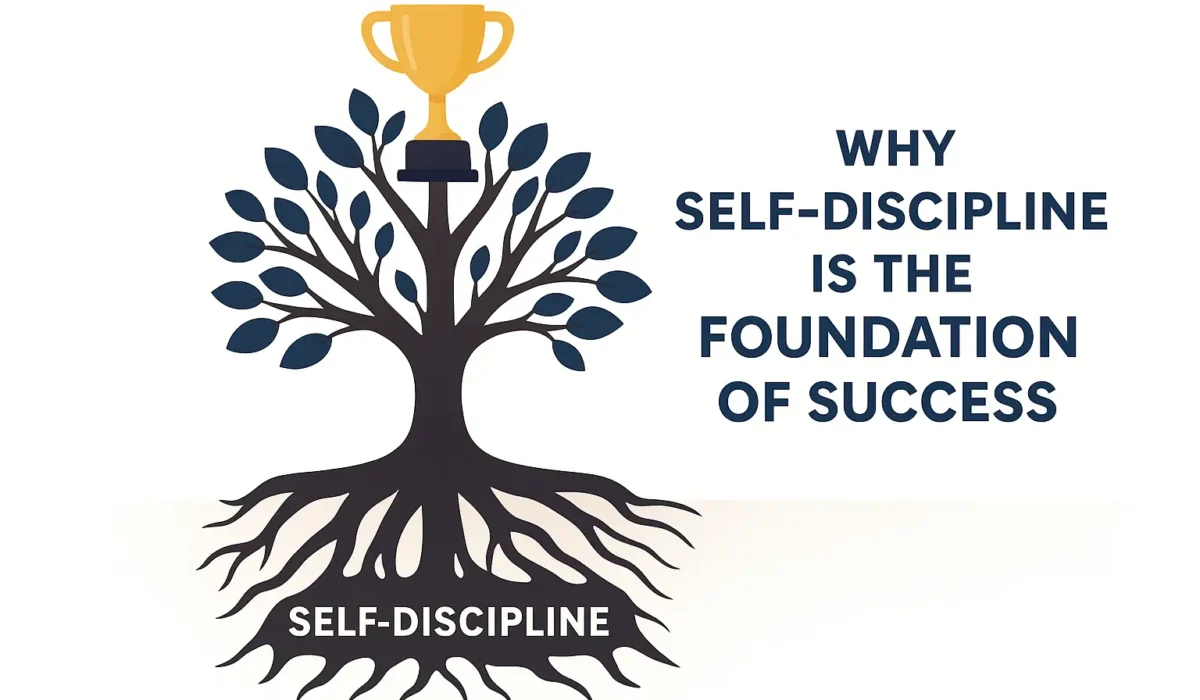
Success in any area of life—career, health, relationships, or personal growth—requires more than talent, luck, or motivation. At the heart of sustained achievement lies self-discipline: the ability to control impulses, stay focused on long-term goals, and consistently take deliberate action even when enthusiasm wanes. Without self-discipline, the path to success becomes scattered and vulnerable to distractions or setbacks.
Understanding Self-Discipline
Self-discipline, often synonymous with willpower, is the internal regulator that keeps you on track toward your priorities. It governs how effectively you manage urges, delay gratification, and maintain focus despite obstacles. Neuroscientific research shows that self-discipline involves the prefrontal cortex, responsible for executive functions like planning, impulse control, and decision-making.
Dr. Angela Duckworth’s seminal work on grit highlights how self-discipline predicts success better than IQ or talent, emphasizing effort and persistence over innate ability.
Why Self-Discipline Is Critical for Success
- Consistency: Self-discipline cultivates habits and regular effort leading to steady progress.
- Resilience: It enables persistence through challenges, setbacks, and failures without giving up.
- Time Management: Disciplined individuals prioritize effectively and resist distractions.
- Goal Fulfillment: The ability to delay immediate pleasure for long-term gain boosts achievement likelihood.
- Emotional Regulation: Self-discipline helps manage emotions that might otherwise derail productivity.
Common Misconceptions about Self-Discipline
- It’s not about rigid control or suppression of joy. Healthy discipline incorporates self-care and balance.
- It’s a skill developed over time, not an innate trait. Anyone can cultivate stronger discipline.
- It does not mean perfectionism; mistakes teach valuable lessons on the path.
How to Develop Self-Discipline: Practical Strategies
1. Define Clear, Meaningful Goals
Motivation follows clarity. Knowing why your goals matter personally makes discipline sustainable.
2. Start Small and Build Gradually
Start with small, manageable tasks. Gradually increase difficulty to build capacity without overwhelm.
3. Create Systems and Habits
Leverage routine to automate decision-making and reduce reliance on willpower.
4. Manage Your Environment
Reduce exposure to distractions and temptations that weaken resolve.
5. Practice Delayed Gratification
Build tolerance for postponing short-term rewards in favor of long-term success.
6. Use Accountability and Support
Share goals with trusted individuals who reinforce commitment.
7. Cultivate Self-Compassion
Be kind to yourself during lapses to prevent discouragement and maintain momentum.
The Role of Mindset in Strengthening Discipline
Adopting a growth mindset—believing skills improve with effort—supports the development of self-discipline. Viewing discipline as a path to freedom rather than restriction shifts motivation positively.
For more on mindset, visit Growth Minded Hub’s guide.
Self-Discipline in Daily Life: Examples and Applications
- Waking early consistently
- Sticking to workout routines
- Managing finances responsibly
- Limiting social media distractions
- Prioritizing deep work and learning
Tools and Resources to Enhance Self-Discipline
Tools like focus apps (Forest, Focus@Will), habit trackers (Habitica, Productive), and planners help visualize progress and block distractions.
Books such as Atomic Habits by James Clear provide frameworks for habit-building.
Conclusion
Self-discipline is undeniably the bedrock upon which lasting success is built. It empowers you to consistently pursue your dreams despite challenges, distractions, and temporary loss of motivation. By understanding its importance, debunking myths, and applying practical strategies, you open the door to unlocking your true potential and achieving meaningful, sustainable success.