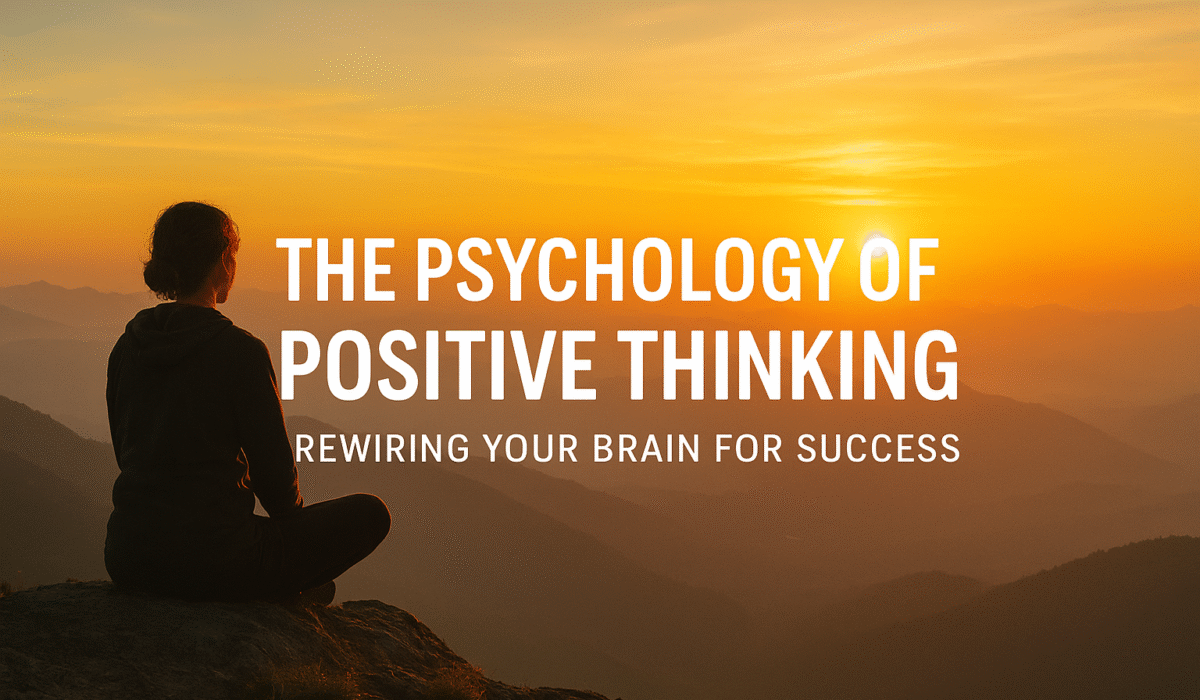
Have you ever noticed how some people seem to radiate confidence, handle setbacks with grace, and always find a way to bounce back? The secret often lies not in luck or talent—but in the power of positive thinking. Science has proven that the way you think shapes the way you live. Positive thinking isn’t about ignoring reality or forcing toxic optimism; it’s about training your brain to focus on possibilities instead of problems.
What Is Positive Thinking?
Positive thinking is the mental habit of focusing on the bright side of life, expecting good outcomes, and finding lessons in challenges. It’s a mindset rooted in optimism, resilience, and emotional intelligence. Studies in psychology show that individuals who think positively are not only happier but also experience lower stress levels, better health, and improved performance at work.
The Science Behind Positive Thinking
Your brain is a powerful machine, constantly rewiring itself through a process known as neuroplasticity. When you repeatedly think positive thoughts, you strengthen neural pathways that promote confidence, motivation, and calmness. Conversely, negative thinking activates the brain’s stress response, releasing cortisol and narrowing your focus to threats.
By shifting your thoughts from fear to possibility, you literally rewire your brain for success. Researchers at Harvard and Stanford have found that people who practice gratitude and optimism regularly show higher levels of dopamine and serotonin—the “feel-good” chemicals responsible for motivation and happiness.
Benefits of Positive Thinking
- Improved Mental Health: Positive thinkers experience less anxiety, depression, and burnout.
- Stronger Relationships: Optimism helps you communicate better, resolve conflicts peacefully, and build trust.
- Higher Productivity: A positive mindset boosts focus, creativity, and problem-solving abilities.
- Better Physical Health: Optimistic people often have stronger immune systems and lower risks of heart disease.
- Increased Resilience: Positive thinkers bounce back faster from setbacks because they view challenges as temporary, not permanent.
How to Rewire Your Brain for Positivity
- Practice Gratitude Daily: Write down three things you’re grateful for every morning.
- Challenge Negative Thoughts: Replace “I can’t” with “I’ll try.” Your brain listens to your words.
- Visualize Success: Spend a few minutes imagining yourself achieving your goals—it trains your mind to expect good outcomes.
- Surround Yourself with Positivity: Spend time with people who uplift and inspire you.
- Affirm Your Strengths: Use positive affirmations like “I am capable,” “I am resilient,” or “I attract success.”
Final Thoughts
The psychology of positive thinking isn’t wishful dreaming—it’s a science-backed approach to reprogramming your mind for success and fulfillment. Every time you choose optimism over fear, gratitude over resentment, or confidence over doubt, you strengthen the mental muscles that drive happiness and achievement.
Start small today. Think one positive thought, take one confident action, and watch your life begin to shift in powerful ways. 🌟