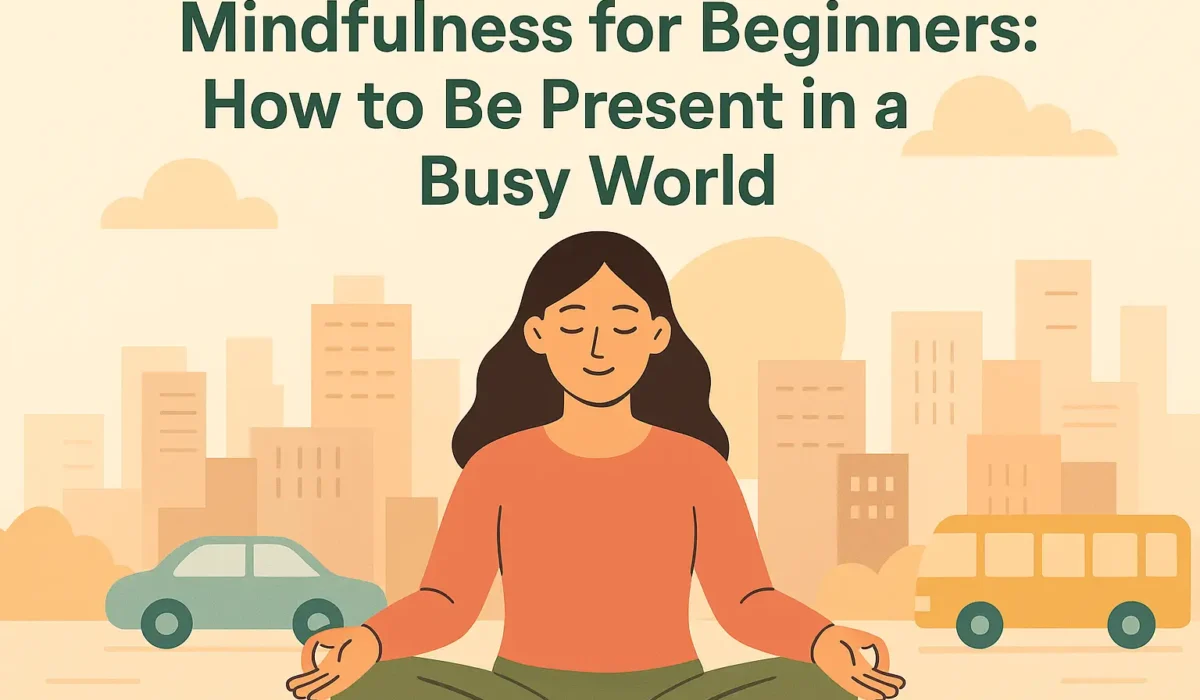
In today’s fast-paced world, being present can seem nearly impossible. Constant distractions, technology overload, and a never-ending to-do list pull our attention in multiple directions. Practicing mindfulness, especially for beginners, offers a powerful way to reclaim your focus, reduce stress, and increase your overall well-being. Mindfulness is the skill of fully experiencing the present moment without judgment, allowing for greater clarity and calm.
What is Mindfulness?
Mindfulness means deliberately paying attention to your thoughts, feelings, bodily sensations, and environment in the moment. It involves observing these experiences without trying to change or judge them. The practice has roots in ancient meditation traditions but is now widely embraced in modern psychology and health.
Why Mindfulness Matters in a Busy World
Mindfulness helps counteract the habitual mental autopilot that causes stress, anxiety, and distraction. When practiced regularly, it increases cognitive flexibility, emotional resilience, and helps regulate attention—essential for managing the demands of modern life.
Research shows mindfulness can reduce cortisol (stress hormone) levels and improve sleep quality.
Simple Mindfulness Practices for Beginners
1. Mindful Breathing
Focus on your breath as it flows in and out. When your mind wanders, gently bring attention back to breathing. Start with 3-5 minutes daily.
2. Body Scan Meditation
Slowly bring awareness to different parts of your body, noticing sensations without trying to change them. This helps ground you and release tension.
3. Mindful Eating
Pay full attention to the taste, texture, and aroma of your food. Eating slowly and without distractions enhances present-moment awareness.
4. Walking Meditation
Walk slowly while focusing on each step and the physical sensations involved. This practice combines movement and mindfulness.
5. Mindful Observation
Pick an object—flower, candle, or art—and observe it carefully, noting colors, shapes, and details with curiosity.
Tips for Making Mindfulness a Habit
- Start small: Incorporate brief mindfulness moments multiple times daily.
- Use reminders: Set alarms or sticky notes to prompt mindful pauses.
- Join guided sessions: Apps like Headspace and Calm offer beginner-friendly practices.
- Be patient and non-judgmental with yourself—it’s normal for the mind to wander.
Benefits of Mindfulness for Beginners
- Reduced stress and anxiety
- Improved concentration and mental clarity
- Greater emotional regulation and mood balance
- Enhanced self-awareness and empathy
Internal and External Resources
- For an in-depth guide, visit Mindful.org’s Beginner’s Guide to Mindfulness
- Explore mindfulness courses on Coursera
- Download the Headspace app for guided mindfulness: https://www.headspace.com/
- Experience Calm’s meditation library: https://www.calm.com/
Conclusion
Mindfulness for beginners doesn’t require special equipment or hours of meditation. It’s about gently learning to be present amidst the chaos of daily life. By incorporating simple techniques like mindful breathing and walking, anyone can develop mindfulness skills that bring greater peace, focus, and joy. Start small, be consistent, and embrace the transformation that mindfulness offers in your busy world.