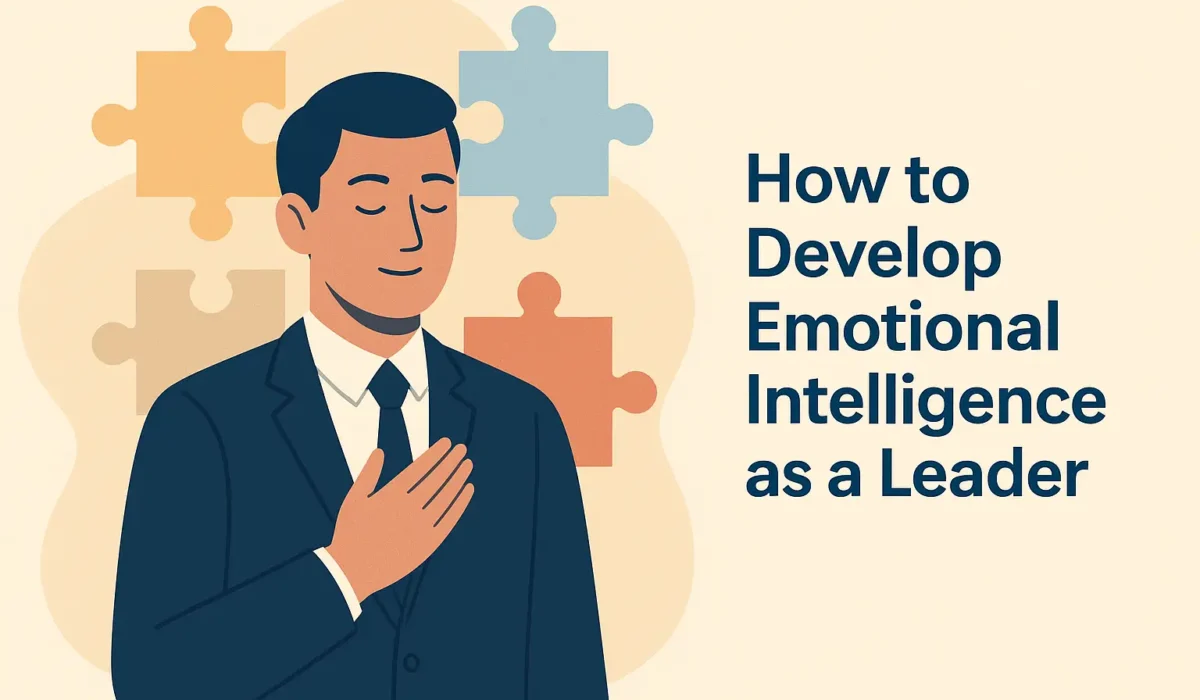
Emotional intelligence (EI) is a vital skill that distinguishes exceptional leaders from the rest. It encompasses the ability to recognize, understand, and manage both your own emotions and those of others. Developing emotional intelligence as a leader leads to better communication, stronger relationships, and enhanced decision-making, ultimately fostering a positive team environment and improved organizational outcomes.
In this article, we explore practical strategies to develop emotional intelligence as a leader and unlock your leadership potential.
What is Emotional Intelligence?
Emotional intelligence involves five key components:
- Self-awareness: Recognizing your emotions and their impact.
- Self-regulation: Managing your emotions and adapting to change.
- Motivation: Harnessing emotions to pursue goals with energy.
- Empathy: Understanding others’ emotions and perspectives.
- Social skills: Managing relationships and building networks effectively.
Why Leaders Need Emotional Intelligence
Leaders with high EI can:
- Build trust and rapport with team members.
- Resolve conflicts effectively.
- Inspire and motivate others.
- Adapt communication to different personalities.
- Make better, emotionally informed decisions.
How to Develop Emotional Intelligence as a Leader
1. Increase Self-Awareness
Regularly reflect on your emotions and behaviors. Keep a journal to track emotional responses and triggers. Practice mindfulness exercises to maintain present-moment awareness.
2. Practice Self-Regulation
Learn techniques like deep breathing, pausing before reacting, and reframing negative thoughts to manage emotional reactions constructively.
3. Cultivate Empathy
Engage in active listening and seek to understand your team’s feelings and viewpoints. Ask open-ended questions and validate emotions without judgment.
4. Enhance Communication Skills
Focus on clear, honest, and respectful communication. Use non-verbal cues mindfully and encourage open dialogue.
5. Build Strong Relationships
Foster collaboration and trust by being approachable and supportive. Recognize and celebrate team achievements.
6. Seek Feedback
Invite honest feedback about your leadership style and emotional interactions. Use it to identify blind spots and areas for growth.
7. Commit to Continuous Learning
Read books, take courses, or attend workshops on emotional intelligence and leadership development. Apply learned concepts consistently.
Recommended Resources
- Explore Daniel Goleman’s foundational work on emotional intelligence.
- Take courses such as Emotional Intelligence for Leaders on Coursera.
- Read articles from Harvard Business Review on Emotional Intelligence.
Conclusion
Developing emotional intelligence as a leader is an ongoing journey that profoundly impacts your leadership effectiveness. By increasing self-awareness, practicing empathy, enhancing communication, and fostering strong relationships, you can create a positive, resilient, and high-performing team culture. Start implementing these strategies today to grow your emotional intelligence and transform your leadership.