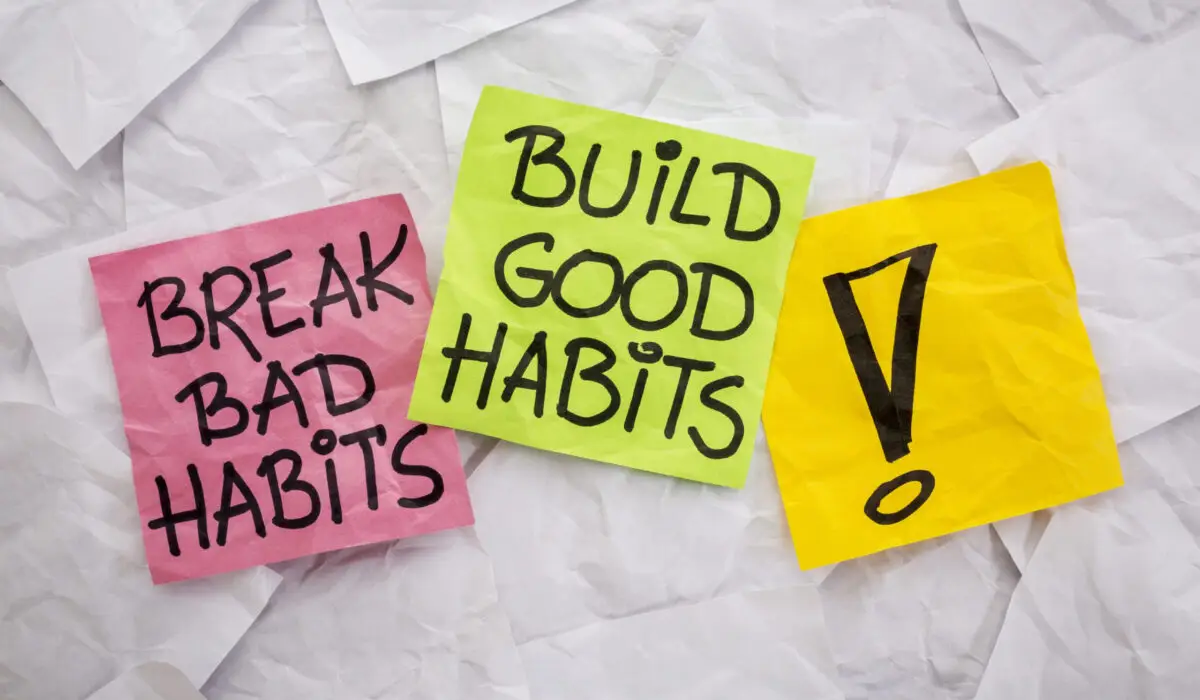
We’ve all tried to change our lives for the better — but often, we end up exhausted and frustrated. The truth is, most people don’t fail because they lack motivation; they fail because they push too hard, too fast. This article will teach you how to break bad habits without burning out, using a psychology-backed, sustainable approach that helps you stay consistent for life.
🧠 Why Breaking Habits Feels So Hard
Habits form deep in the brain’s basal ganglia, where repetitive actions become automatic. That’s why willpower alone can’t help you break bad habits without burning out — you’re fighting years of wiring.
According to James Clear’s Atomic Habits, small improvements over time build real transformation. If you’ve ever felt like quitting halfway, you’re not weak — you’re just trying to rewire biology the wrong way.
👉 Also read: The Psychology of Positive Thinking: Rewiring Your Brain for Success
🔍 1. Identify the Trigger, Not Just the Habit
Every bad habit has a trigger — something that sets it off. Is it boredom, stress, or anxiety? Once you identify that moment, you can replace it.
Examples:
- Replace stress-snacking with a short walk.
- Replace boredom scrolling with reading or journaling.
American Psychological Association research shows self-awareness is step one in behavior change.
👉 Related: How to Build Discipline That Lasts
🌱 2. Start Small and Go Slow
Trying to quit everything at once causes burnout. Instead, make one tiny change and let it snowball.
For instance:
- Quit sugar? Start by cutting soda for a week.
- Want to exercise? Begin with 5 minutes daily.
Small wins compound. That’s how you break bad habits without burning out — you build momentum, not pressure.
🔁 3. Replace, Don’t Just Remove
Your brain hates losing rewards. When you quit one habit, replace it with something positive.
Examples:
- Replace Netflix with reading before bed.
- Replace social media with meditation or gratitude journaling.
Harvard Health confirms that substitution strategies lead to long-term success.
👉 Explore: The Power of Evening Routines: Ending Your Day Right
📊 4. Track Your Progress
When you track progress, you turn invisible growth into visible proof. Use apps or journals to log your wins. Each checkmark trains your brain to love progress.
Dopamine isn’t just a “reward” chemical — it’s your motivation fuel. Tracking gives your brain more of it.
👉 You’ll love: 21 Tips for Waking Up Early Every Morning
🏡 5. Build an Environment for Success
Willpower fades, but environment lasts.
- Keep your gym clothes visible.
- Keep healthy food within reach.
- Remove distractions from your desk.
Behavioral scientist BJ Fogg puts it simply: “Design beats discipline.”
👉 Try: Productivity Hacks for Focus and Energy
💚 6. Be Kind to Yourself
Self-criticism kills consistency. If you slip up, don’t quit — analyze, adjust, move forward.
Self-compassion keeps your brain calm and resilient, helping you break bad habits without burning out emotionally.
Verywell Mind highlights that self-kindness accelerates long-term growth.
🔋 7. Protect Your Energy
You can’t grow if you’re exhausted. Focus on progress, not perfection.
Instead of aiming for “never again,” aim for “less and less.” That’s sustainable change.
Celebrate every small victory — it’s how transformation feels effortless.
👉 Read next: The Psychology of Positive Thinking: Rewiring Your Brain for Success
👥 8. Surround Yourself With Support
Join people who inspire you. Accountability multiplies results.
According to MindTools, social support improves success rates by over 60%.
Build your tribe — friends who remind you why you started.
💬 Final Thoughts
Learning how to break bad habits without burning out is about understanding human psychology — not punishing yourself into submission.
Focus on small wins, environment design, and emotional balance, and you’ll rewire your brain naturally.
The key is consistency, not perfection. 🌱
👉 Next Read: