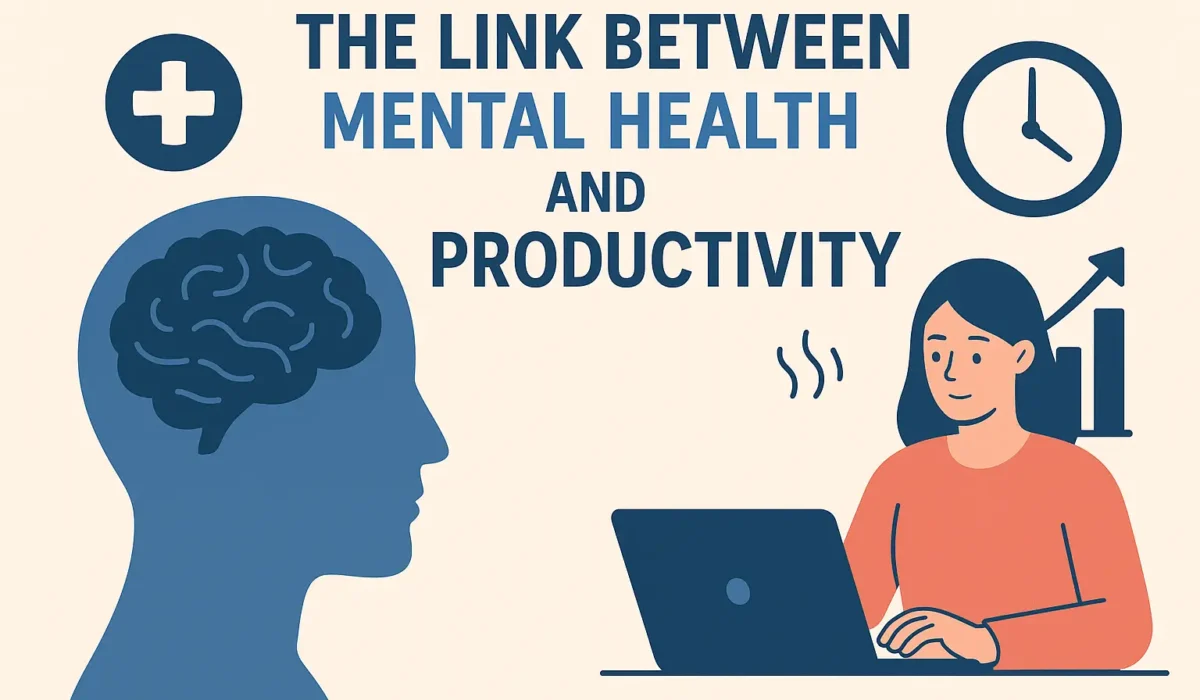
Mental health and productivity are deeply intertwined. When mental well-being is compromised, it directly affects one’s ability to concentrate, make decisions, and perform tasks efficiently. Conversely, good mental health fosters higher motivation, creativity, and resilience, enhancing overall productivity. Understanding and nurturing this link is essential for both individuals and organizations aiming for sustainable success.
How Mental Health Affects Productivity
Poor mental health conditions such as anxiety, depression, and chronic stress result in decreased energy, focus, and cognitive function. This leads to missed deadlines, errors, and reduced work quality. The World Health Organization (WHO) estimates that depression and anxiety disorders cost the global economy approximately $1 trillion annually in lost productivity.
On the other hand, positive mental health boosts concentration, problem-solving skills, and interpersonal relationships, all of which are critical for high performance at work.
Strategies to Improve Mental Health and Productivity
1. Promote Work-Life Balance
Encouraging regular breaks, flexible hours, and time off prevents burnout and supports mental health.
2. Practice Mindfulness and Stress Reduction
Techniques like meditation, deep breathing exercises, and yoga can reduce stress and enhance focus.
Use apps like Headspace or Calm for guided practices.
3. Encourage Physical Activity
Regular exercise improves mood, reduces anxiety, and increases cognitive alertness.
4. Foster Supportive Work Environments
Open communication, empathy, and mental health resources help create psychologically safe workplaces.
5. Seek Professional Help When Needed
Access to counseling and therapy supports employees and individuals struggling with mental health issues.
The Role of Organizations in Supporting Mental Health
Companies benefit significantly by investing in mental health programs. These include employee assistance programs (EAPs), mental health days, and training managers to recognize distress signs. Supporting mental health improves retention, reduces absenteeism, and enhances overall productivity.
Conclusion
The link between mental health and productivity is undeniable. Prioritizing mental well-being leads to enhanced focus, creativity, and work quality. By adopting holistic strategies that support emotional and psychological health, individuals and organizations can unlock their full potential and achieve sustained success.